Sometimes it comes up at the end of a conversation about something else. Someone mentions they've always loved the sound of the violin, then adds, almost as an afterthought:
"But I'm probably too old to start now."
If that's the question you came here with, the short answer is no. It isn't too late to learn violin as an adult. You don't need childhood lessons, a musical family, or plans to perform. Age shapes how you'll learn, what you'll want from it, and what kind of support helps. It doesn't decide whether learning is possible.
What Age Changes, and What It Doesn't
Some things really are different when you start later. Your shoulders and neck have their own history. Your hands may be less flexible than they once were, small print may be harder to read on a music stand, and your calendar is probably full of other people's needs.
Those are worth taking seriously, and most of them turn out to be questions of setup and pacing. A shoulder rest adjusted to your build, a chair height that lets your back stay easy, music printed a little larger, practice spread across the week in shorter sessions: these are ordinary adjustments, and a teacher should help you find them.
What age doesn't settle is whether your ear can learn to hear a note that's slightly sharp, whether your bow arm can learn to travel in a straight line, or whether you can learn to read music. Those develop through attention and repetition, and adults develop them too. There's no deadline you've missed.
What Beginning Actually Sounds Like
One of the first things we work on is drawing the bow across a single open string, with no left-hand fingers at all. It sounds almost too simple.
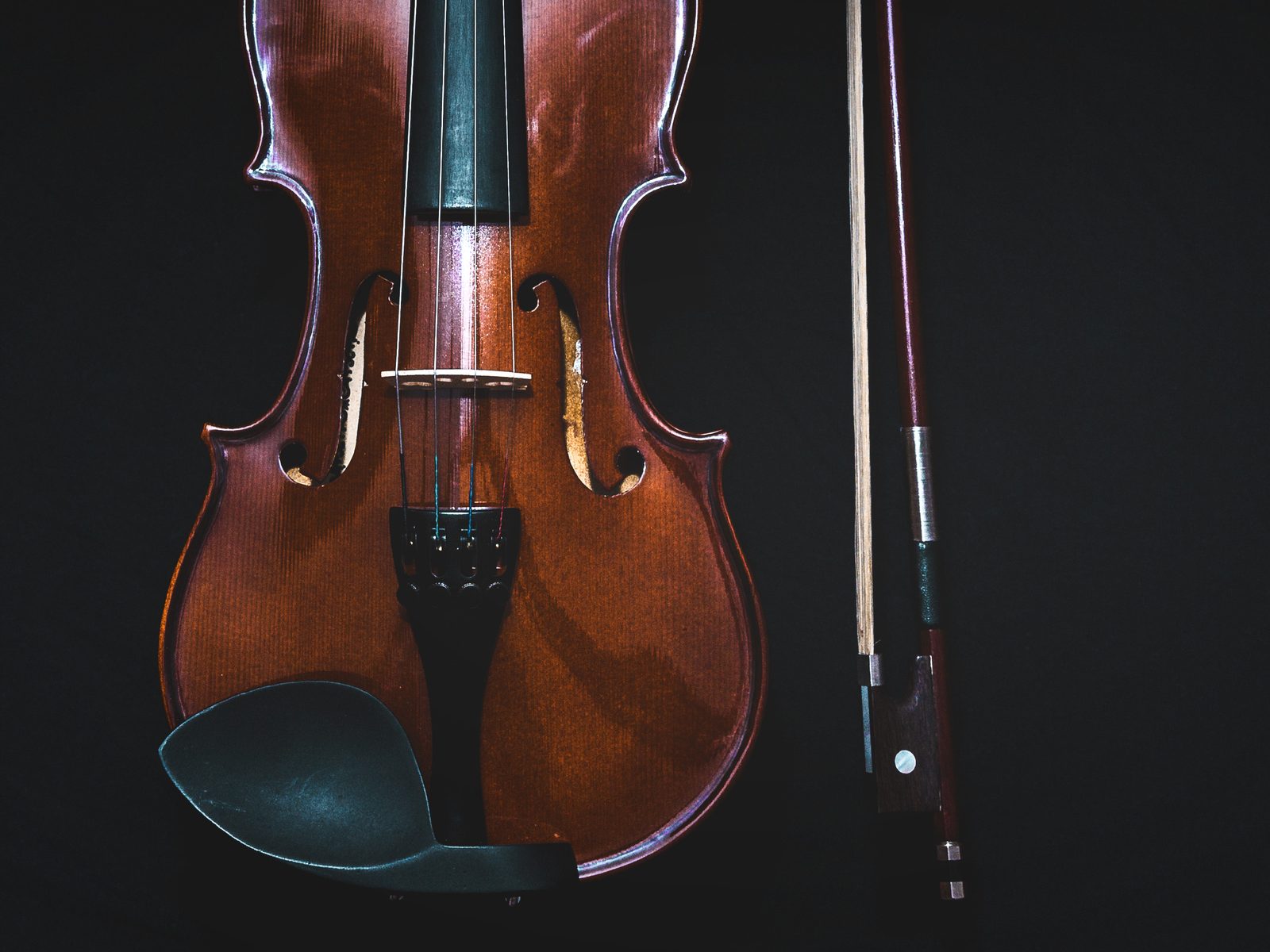
Then you notice that the sound changes depending on where the bow meets the string. Near the fingerboard it turns airy and thin. Too close to the bridge it can crunch. Somewhere in between, the tone fills out. Finding that place, and learning to stay in it while the bow travels from one end to the other, is real violin playing.
At this stage I'm listening less for a beautiful sound and more for whether you're starting to hear the difference yourself. Once you can hear it, you can steer toward it between lessons, and practice starts to have direction. A lot of early learning follows that pattern: notice, adjust, listen again. It asks for patience and curiosity far more than for any particular starting age.
Why Adults Begin, and What Progress Can Mean
Adults come to violin for very different reasons. A piece heard at a concert that hasn't stopped playing in their head. Irish or old-time fiddle tunes. Wanting to play alongside a child who's learning. Wanting a part of the week that isn't measured by productivity. Or simply the satisfaction of a craft that rewards close attention.
None of these requires becoming a professional violinist, and none of them is a lesser goal. Classical technique gives you a strong foundation, and it can serve folk, fiddle, pop, or whatever music brought you here.
Progress for an adult beginner might look like getting through a first folk tune with a steady pulse, playing a simple duet with another person, or noticing one evening that your sound is clearer than it was a month ago. Those are real milestones, even if nobody else hears them.
Under the visible skill, there's often something quieter: permission to be a beginner at something again, and time that belongs to your own curiosity. Over a longer stretch, some people find that playing becomes part of how they think of themselves. That isn't guaranteed, and it doesn't have to be the goal. If you're weighing whether lessons are worthwhile without any performance plans, playing violin just for yourself is worth a read.
Why Live Feedback Matters
Videos and apps can show you what a bow hold looks like. What they can't easily do is notice that your thumb has locked straight, or that your shoulder creeps up toward your ear on every down-bow.
Those are small things, and they're much easier to adjust early than after months of repetition. A teacher who's watching and listening can catch them, explain why they matter, and help you find a version that feels comfortable in your own body, rather than a textbook position that doesn't fit you.
I teach in person in Denver and live online, and in both settings the lesson is built around the person in front of me: your goals, the music you care about, and how you like to have things explained. If distance is a factor, learning violin online covers what makes live virtual lessons work.
If You'd Like a Structured Start This January
Violin Kickstart is a four-week live online beginner course for adults, starting Tuesday, January 12, 2027, at 5:30 PM Mountain Time. There are two ways to join. Violin Kickstart meets once a week on Tuesdays. Kickstart Intensive meets twice a week, on Tuesdays and Thursdays through February 4, for people who'd like more live practice together. Both are built for adults with no previous experience.
A More Useful Question Than "Am I Too Old?"
Once age is off the table, better questions come into view. What music would you like to be able to play? How much time can you realistically give this in an ordinary week? Would you rather learn privately at your own pace, or alongside other beginners?
Those answers shape a good starting point far more than a birth year does. If you'd like to understand how adults and children tend to approach the instrument differently, how adults learn violin differently than kids goes into it, and the real timeline of learning violin as an adult describes what progress tends to look like over months rather than weeks. When you're ready for the practical side, where to start learning violin as an adult takes the first steps in order.
Starting From Where You Are
You don't have to know whether you'll play for the rest of your life before you begin. A first lesson, or a first month, gives you something better than a guess: real experience of what learning violin feels like for you.
If a small group of adult beginners sounds like a good way to find out, January's Kickstart is one place to start.
Learn More About Violin Kickstart